Haringey Council parking rules affecting removals and permits
Posted on 01/08/2026
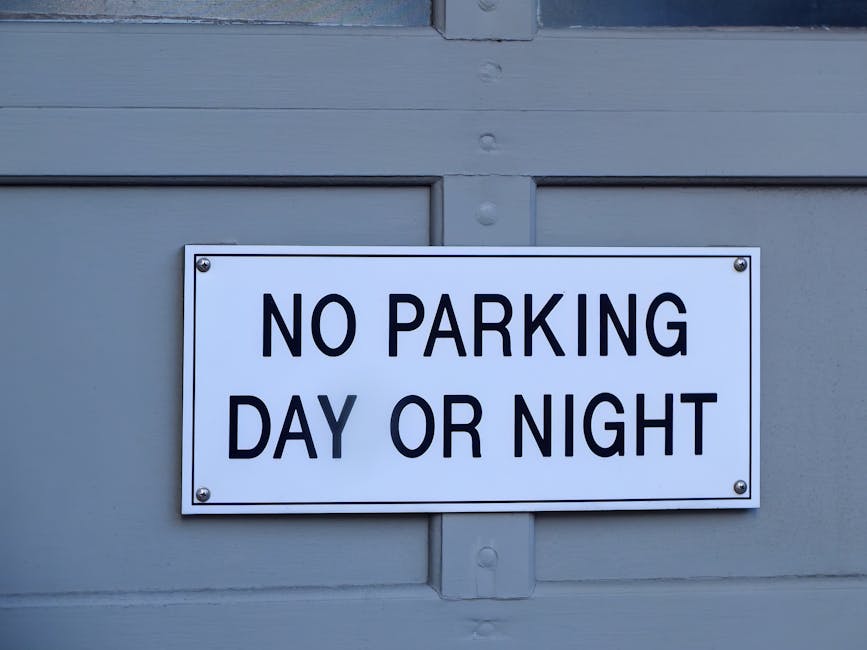
Haringey Council parking rules affecting removals and permits: a practical guide for a smoother move
If you are planning a move in Haringey, the parking side of the job can be the part that quietly causes the biggest headache. Haringey Council parking rules affecting removals and permits can change how close the van can get, how long loading takes, and whether you end up paying avoidable charges or dealing with a stressed crew on the pavement at 8am. Sounds minor. It really isn't.
This guide breaks the whole thing down in plain English: when a permit may be needed, why bay suspensions and loading restrictions matter, what to check before moving day, and how to reduce the risk of delays. I'll also cover the practical bits people often miss, like access on narrow streets, lift timing, and what to do if your building or road makes parking awkward. In our experience, a calm move usually starts with parking planning, not boxes.
Why Haringey Council parking rules affecting removals and permits Matters
Parking rules matter because removals are time-sensitive, physical, and often involve a vehicle bigger than the one you normally drive. If the van cannot stop near the property, the team may need to walk furniture further, double-handle items, or wait while a space clears. That costs time. Time, in removals, is money and energy and patience all at once.
In Haringey, that challenge can be amplified by busy high streets, residential permit zones, controlled parking bays, yellow lines, school-run traffic, market days, and roads where even a well-parked van feels like a balancing act. If you have ever watched a crew reverse into a tight gap while someone leans out to check wing mirrors, you'll know the feeling. Not exactly relaxing.
The main reason this topic matters is simple: parking isn't just a logistics issue, it is a compliance issue. If a removal van stops somewhere it should not, even for a short unload, the driver may face a penalty or a complaint. If the move takes longer than expected because parking was not planned, your removals team may have to work around the restriction rather than through it.
That is why good planning helps both private movers and professional crews. It also helps if you are comparing moving services and want to understand what makes one move smoother than another. If you are still weighing up your options, the broader guidance on removal services in Haringey can help you think about the full picture, not just the lifting and carrying.
Expert summary: The best removal day is not the one where everything is rushed perfectly; it is the one where parking, access, and permit issues were solved before the van arrived.
How Haringey Council parking rules affecting removals and permits Works
At a practical level, parking for removals usually comes down to three things: where the van can stop, whether the stop is allowed, and how long it can stay there. Haringey's street parking arrangements may include residents' bays, pay-by-phone or shared-use bays, time-limited waiting, loading restrictions, and marked yellow line controls. The exact rules vary by street, so local assumptions can be risky. A bay that seems available at first glance may be reserved, suspended, or restricted at certain times.
For removals, the key question is whether the vehicle can legally load or unload in a spot close enough to the property. In some cases, a temporary parking permit or dispensation may be needed. In others, a formal suspension of a bay could be more appropriate if the move requires exclusive space for a large van, a long loading window, or repeated access. The right solution depends on the road, the vehicle, and the timing. Easy to say, a bit fiddly in practice.
There is also the building side of the equation. A flat on a busy road, for example, may have a different parking reality from a house on a quieter side street. If you are moving into a flat, it is worth reading material like the guidance on flat removals in Haringey, because flats often bring lift bookings, entrance access, and parking constraints together in one awkward little bundle.
Another important point: removals do not always take as long as people expect when they are well prepared, but delays happen quickly when parking is not arranged. A van may arrive on time, but if it has to circle the block or wait for a space, the whole job slips. That is why crews dealing with a rush move often value services such as same-day removals in Haringey only when parking and access have been checked first. Urgency and good parking planning need to go together.
For very large or awkward items, the parking plan matters even more. A piano, for example, is not something you want to carry a long way because the van had to stop two streets away. If that is part of your move, look at piano removals in Haringey and treat the parking arrangement as part of the handling plan, not an afterthought.
Key Benefits and Practical Advantages
Getting the parking arrangement right does more than avoid fines. It can make the entire move feel more controlled. That alone is worth a lot on moving day, when everyone is watching the clock and someone has probably misplaced a kettle or a phone charger.
- Shorter loading times: the closer the van can park legally, the faster heavy items can be moved.
- Lower risk of parking penalties: permits, dispensations, or suspensions reduce the chance of an awkward ticket situation.
- Less physical strain: shorter walking distances mean fewer trips with sofas, boxes, and white goods.
- Better scheduling: when the vehicle has space to stop, the crew can work to a clear plan rather than improvising.
- Improved safety: fewer rushed carries across roads and pavements means less chance of dropped items or near misses.
There is also a subtle benefit people miss: parking planning reduces stress for neighbours and building managers. A van that arrives with the right permission is far easier to accept than one blocking a driveway and causing a small local drama at lunchtime. Let's face it, nobody wants to begin a new chapter of life by annoying the street.
If you are comparing types of support, the broader service mix can help too. A straightforward man with a van in Haringey may work well for smaller loads, while larger jobs may need a more fully planned vehicle and crew. The parking rules affect both, but the consequences are usually sharper on bigger moves.
Who This Is For and When It Makes Sense
This topic matters to almost anyone moving in or out of Haringey, but a few groups should pay extra attention.
- Home movers: especially if you live on a residential street with permit bays or limited stopping space.
- Flat movers: where access, lifts, and shared entrances can slow the move and make parking more important.
- Students: often moving on tight timelines, with lighter loads but very little margin for error. If that sounds like you, see student removals in Haringey.
- Office movers: where commercial property rules, staff access, and business continuity can make a parking mistake expensive. A look at office removals in Haringey may be useful.
- Urgent movers: same-day or next-day plans leave less room to sort out parking on the fly.
It also makes sense for landlords, letting agents, and anyone arranging a move on behalf of someone else. If you are helping a tenant or buyer settle in, parking and permit planning should be on your checklist just like keys, inventory, and building access.
For people in the middle of a bigger local move, it may be worth looking at the general area insights too, such as local opinion on living in Haringey or the suburban charms of Haringey London. Those pieces can give useful context on the streets and neighbourhood feel that affect parking in practice.
Step-by-Step Guidance
Here is the simplest sensible way to approach Haringey Council parking rules for removals and permits.
- Check the exact street and property access first. Do not rely on the general neighbourhood name. Two roads a minute apart can have very different rules.
- Identify the likely vehicle size. A small van may fit in a bay that a larger lorry cannot use safely or legally.
- Look for resident bays, pay bays, yellow lines, and loading restrictions. A quick walk outside the property is surprisingly useful. Sounds obvious, but people skip it.
- Decide whether a permit, dispensation, or bay suspension is needed. The right option depends on whether the van needs a marked space, a short unloading window, or a longer exclusive area.
- Allow enough time. Parking administration and building access arrangements should be handled before the move, not the day before.
- Tell the removals team about the parking set-up. The driver needs to know if there is a narrow turning point, a one-way system, or a gate code.
- Plan for a backup. If the first choice of bay is taken, know where the second-best legal loading spot is.
A practical tip: if you are moving from a property with awkward access, make sure your removals team knows the lift size, stair width, and any entrance restrictions. The parking issue and the access issue tend to arrive together, like a pair of unhelpful cousins. If that sounds familiar, the article on access problems for Haringey removals is a good companion read.
And if your move is squeezed into a single day, timing becomes even more important. Delays can ripple into later bookings, extra waiting time, or crew overlap. The guide on removals delays in Haringey is worth a look for the knock-on effects.
Expert Tips for Better Results
These are the little things that tend to make the biggest difference.
- Confirm the parking plan a few days before the move. Streets change, roadworks happen, and temporary suspensions can appear.
- Keep a printed copy or clear digital note of the parking arrangement. Drivers and helpers do better when information is easy to share at the kerbside.
- Build in a short buffer. A ten-minute delay in London can become half an hour before you know it.
- Ask about the route from van to front door. A legal parking spot is only useful if the path is practical.
- Think about unloading order. Put essentials and fragile items where they can come out first, especially if parking time is limited.
One overlooked tip is to coordinate parking with packing. If boxes are sealed, labelled, and stacked sensibly, the team can move faster once the van is in place. That is where packing and boxes support can quietly improve the whole day. Not glamorous, but extremely useful.
Another good habit is to be honest about what you are moving. A few extra pieces of furniture, a bike, a piano, or bulky storage items can change how the van needs to park and unload. If you are moving more than the basics, furniture removals in Haringey may be the better reference point than a very light-load move.
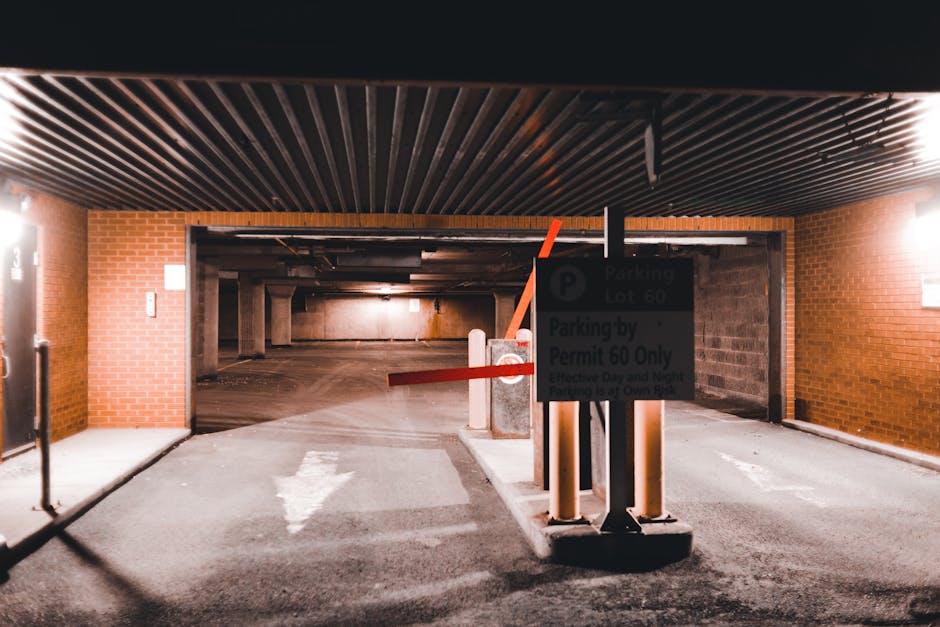
Common Mistakes to Avoid
Most parking problems during removals come from a few repeat mistakes. The good news is that they are very avoidable.
- Assuming a bay is free to use. If it is marked for residents, pay users, or a specific time period, assume restrictions apply until checked.
- Leaving permit planning until the morning of the move. That is a recipe for rushing, and rushing is where errors creep in.
- Forgetting about bay suspensions or loading bans. A normal parking space is not always a movable one.
- Not telling the removals company about narrow streets. If the van is too large to position properly, the crew may need to improvise on site.
- Ignoring building rules. Some blocks need notice for lift use or loading access, and those timings can affect the van's parking window.
A very human mistake is overestimating how long it takes to carry a sofa downstairs. Everyone does it once. Then you hear that dull thud of the stair tread, and suddenly the timeline looks optimistic.
There is also the hidden-cost trap. Poor parking planning can lead to extended labour time, waiting charges, or rescheduling. If you are trying to keep the budget under control, the article on avoiding hidden removals charges in Haringey is especially relevant.
For last-minute moves, one more warning: avoid assuming a same-day arrangement can fix parking automatically. Urgency helps with logistics, yes, but it does not remove local parking controls. If the job is being booked late, it can be wise to read how to avoid late booking fees in Haringey as part of the overall planning.
Tools, Resources and Recommendations
You do not need a giant spreadsheet to handle this properly. A simple set of notes is usually enough, but it should be specific.
- Street-level observation: check the road at the time of day you will move, not just when it is quiet.
- Building access notes: lift times, stair count, entry codes, concierge arrangements, and loading restrictions.
- Vehicle plan: van size, number of trips, turning space, and whether a second vehicle is likely.
- Move inventory: furniture, boxes, awkward items, and anything fragile or unusually heavy.
- Service details: whether you need a broader removals package or a smaller vehicle solution such as man and van in Haringey or a dedicated removal van in Haringey.
If the move involves more than one stage, storage can take some pressure off the parking problem. For example, if your keys are delayed or your move-in time is late in the day, short-term storage may reduce the need for a rushed street-side unload. That is where storage in Haringey can be practical.
For readers comparing suppliers, it is also useful to review the company's wider standards, not just the moving vehicle. Pages like services overview, insurance and safety, and health and safety policy can help you judge how carefully a removals provider approaches real-world work.
Law, Compliance, Standards, or Best Practice
Parking and loading around removals should be treated as a compliance matter, even when the move feels informal. In the UK, councils use parking controls to manage congestion, keep roads safe, and protect access for residents, visitors, and businesses. The exact local rules may vary street by street, but the principle stays the same: if a vehicle stops in a restricted location, it can create enforcement risk.
From a best-practice standpoint, the moving vehicle should only use a parking arrangement that is suitable for the time needed, the size of the vehicle, and the work being done. Where a formal permit or suspension is required, it should be arranged before the move. Where loading is permitted for a short time, the crew should still keep the vehicle positioned carefully and avoid stretching the job beyond the permitted window. That part matters. A lot.
Good practice also means clear communication. The person booking the move should tell the company about any parking restrictions, and the company should make it clear what it needs from the client. If you are working with a trusted local firm, you can usually expect that level of practical coordination rather than vague promises. If you want to understand the people behind the service, you can read more on the about us page.
Where payment arrangements or booking terms are relevant, it helps to read the fine print before moving day. Small details matter when permits, waiting time, or changes to access might affect the job. A quick review of terms and conditions and payment and security is not exciting, granted, but it is sensible.
Options, Methods, or Comparison Table
Different parking solutions suit different kinds of removal. Here is a simple comparison to help you think it through.
| Approach | Best for | Pros | Possible drawback |
|---|---|---|---|
| Short loading stop | Smaller moves with quick access | Simple, fast, minimal admin | Not suitable if the move takes longer than expected |
| Parking permit or dispensation | Residential roads with controlled parking | Usually more secure and predictable | Needs planning and confirmation |
| Bay suspension | Moves requiring a guaranteed space | Clear access for larger vans | May involve more administration and timing constraints |
| Alternative loading point | Streets with tight access | Can work when the immediate frontage is restricted | May increase carrying distance and time |
For a larger household move, a planned parking solution is usually the best fit. For a light student move, a simpler arrangement may be enough. If you are comparing vehicle and service options, the page on house removals in Haringey gives a useful contrast to student removals in Haringey, because the scale of the job changes the parking strategy.
Case Study or Real-World Example
Here is a realistic example based on a common Haringey scenario.
A family moving from a terraced street near a busy high road had a booking for early morning. The house itself was straightforward, but the road had limited stopping space and resident parking pressure from nearby flats. At first, they assumed the van could simply wait outside while boxes came down. In practice, that would have meant circling the block and unloading from a poor position.
Instead, they checked the road layout the day before, flagged the narrow frontage, and arranged a sensible loading plan with the removals team. They also packed the essentials separately, so the crew could load the biggest furniture first while the van had a confirmed space. The result was not magical. No fairy dust here. But the move stayed orderly, the team worked without rushing, and the family avoided that miserable end-of-day feeling where half the job is still hanging over you.
In that sort of move, having a provider who understands the local streets can make all the difference. If you are moving in a particularly tricky part of the borough, the guide on Crouch End N8 removals and narrow streets is especially relevant. Likewise, if your move is in a station-heavy area with its own access pressures, Finsbury Park station-to-home removals tips offers a useful local perspective.
Practical Checklist
Use this checklist a few days before moving day. It keeps things grounded when the calendar gets messy.
- Confirm the exact moving address and road name.
- Check whether the van can legally stop near the property.
- Look for residents' bays, yellow lines, loading bays, and any restrictions by time of day.
- Ask whether a permit, dispensation, or bay suspension is needed.
- Tell the removals team about the street width, one-way system, or turning difficulties.
- Check lift bookings, concierge rules, or access times if you are moving into a flat or office.
- Pack essentials separately so the unloading order is easy.
- Keep the phone number of the removals company to hand.
- Prepare a backup legal stopping point if the first choice is unavailable.
- Review the booking terms and payment details before the day arrives.
If you want a broader sense of how the company works as a whole, you can also review pricing and quotes, removals in Haringey, and removal companies in Haringey. Those pages can help you compare service levels alongside parking readiness.
Get a free quote today and see how much you can save.
Conclusion
Haringey Council parking rules affecting removals and permits are one of those subjects that looks administrative until it starts affecting the clock, the crew, and your stress level. Then it becomes very real, very quickly. The good news is that most parking problems are manageable if you plan early, check the road properly, and keep the removals team informed.
That is the whole game, really: legal stopping space, sensible timing, clear communication, and a backup plan for the streets that are tighter than they look. Do that, and the day tends to feel far more controllable. Not perfect. Just calmer, which is often enough.
If you are preparing for a move right now, take a breath, check the road, and sort the parking before the first box comes out. It makes the whole job feel a lot lighter.