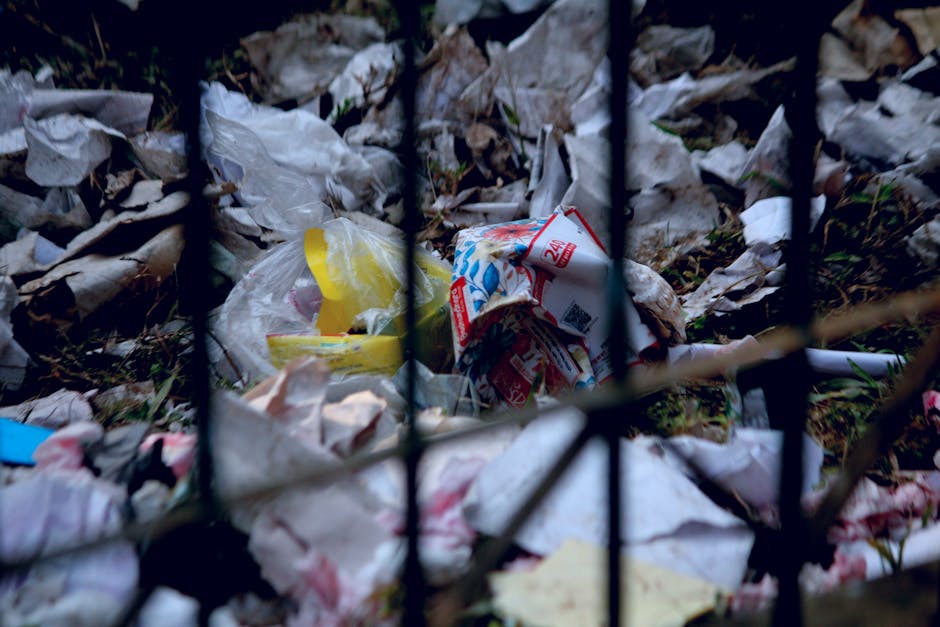
Waste disposal rules in Haringey and removal company obligations

If you are moving home, clearing a flat, or booking a removals team in north London, waste handling can get messy fast. Boxes pile up, old furniture suddenly looks heavier than you remembered, and one wrong decision can leave you with fly-tipping worries or extra charges. This guide explains Waste disposal rules in Haringey and removal company obligations in plain English, so you know what should happen, who is responsible, and how to stay on the right side of local expectations.
We will cover practical disposal rules, the duties a removal company should meet, what to ask before booking, and how to avoid the sort of problems that only show up after the van has gone and the street is still full of old sofas. It is not glamorous work, to be fair, but it matters.
Why Waste disposal rules in Haringey and removal company obligations Matters
Waste rules are one of those topics people only think about when something goes wrong. A job that looked simple at the quote stage can turn awkward if a company leaves rubbish behind, puts prohibited items in the wrong stream, or dumps waste in a way that creates liability for the customer.
In Haringey, as in the rest of London, good waste handling is not just a courtesy. It affects neighbours, traffic, kerbside access, recycling performance, and the reputation of the business doing the move. If your move includes broken furniture, packaging, old appliances, or general clear-out waste, the disposal plan should be agreed in advance. Otherwise you may end up standing in a hallway at 8:30 in the morning wondering who is supposed to deal with the battered wardrobe that now blocks the entrance.
There is also a trust angle. A professional removals business should not treat waste as an afterthought. It should know what it can collect, what needs separate handling, and whether items should go to reuse, recycling, or disposal. That is especially relevant if you are comparing options like removal companies in Haringey, a smaller man with a van service in Haringey, or a broader removal services provider.
Expert summary: The safest approach is simple: agree what is being removed, who owns responsibility for waste, where each item will go, and whether any special handling is needed before moving day. Clear expectations prevent disputes later.
How Waste disposal rules in Haringey and removal company obligations Works
The process is usually more straightforward than people expect, but it only works well when everyone knows the boundaries. In practice, removal waste handling tends to fall into four stages: assessment, sorting, loading, and final disposal or diversion.
1. Assessment before the move
Good planning starts with a list. A removal company should ask what needs to go: furniture, boxes, old electronics, garden waste, carpet offcuts, broken fixtures, or general household clutter. This is where the details matter. A mattress is not the same as loose rubble, and a piano is definitely not the same as a bag of cardboard. If you are moving something oversized, specialist planning may be needed, which is why some customers cross-check with pages like furniture removals in Haringey or even piano removals in Haringey.
2. Sorting at source
Waste should be separated where possible. Reusable items may be set aside. Recyclables like cardboard and certain plastics should not be mixed carelessly with general waste. Electrical items, batteries, and paint tins often need different handling. If a company claims it can "take everything," ask what that actually means. Sometimes it means efficient service. Sometimes it means a headache in disguise.
3. Loading and transport
Transport matters because waste must be carried safely and lawfully. Loads should be secure, vehicles should be suitable for the material being carried, and the team should know how to avoid spillage, damage, or nuisance on the road. This becomes especially important on tight residential streets, busy pavements, or awkward access routes. If your property has stairs, restricted parking, or lift issues, you may want to read practical advice on access problems in Haringey removals before the move.
4. Final destination
Waste may go to reuse, recycling, transfer, or disposal facilities depending on the item. A responsible company should be able to explain its normal route, even if it does not give every operational detail. If sustainability matters to you, check how the business approaches reuse and recycling through its recycling and sustainability approach. That is usually where the clearest signals show up.
One useful way to think about it: the customer is responsible for honest disclosure, and the removal company is responsible for competent handling. Messy jobs happen when either side assumes the other side will "just know."
Key Benefits and Practical Advantages
Getting waste disposal right is not only about avoiding trouble. It makes the whole move easier to live through. And let's face it, moving day can already feel like a small siege.
- Less risk of fly-tipping disputes: If waste ends up somewhere it should not, the evidence trail can come back to you or the contractor depending on the facts.
- Better cost control: Clear separation of disposal items helps prevent surprise charges for extra loading, special handling, or extra trips.
- Cleaner handovers: Landlords, managing agents, and buyers tend to notice when a property is left tidy rather than half-cleared.
- More recycling and reuse: Sensible sorting can reduce landfill-bound waste and keep more items in circulation.
- Less stress on moving day: No one enjoys making decisions about chipped drawers while carrying a kettle downstairs.
There is a softer benefit too: a well-run move feels more professional. When a company arrives with a plan for packing, removal, and waste separation, the whole day has a calmer rhythm. You hear less back-and-forth, fewer last-minute guesses, and fewer awkward pauses in the hallway.
Who This Is For and When It Makes Sense
This topic matters to more people than you might think. It is not only for large house moves. In Haringey, waste disposal and removal obligations come up in smaller, everyday situations too.
- Home movers: Especially if you are clearing old furniture, appliances, or attic clutter before completion day.
- Flat movers: Flats often create access and storage issues, which makes waste planning more important. If that sounds familiar, flat removals in Haringey may be a useful reference point.
- Students: End-of-term clear-outs are famous for cardboard mountains, old desks, and items that should have been dealt with weeks ago. Student removals in Haringey often involve exactly this sort of tidy-up.
- Office movers: Commercial moves can involve confidential waste, desks, shelving, and packaging that must be handled carefully. See also office removals in Haringey.
- Anyone booking same-day help: Time pressure makes poor disposal choices more likely, so the plan must be simple. That is where same-day removals in Haringey can be relevant, but only if waste is pre-discussed.
If you only have a few items, a small vehicle and a straightforward clearance may be enough. If the job includes bulky waste, mixed materials, or access complications, it is worth taking a more structured approach. Sometimes the difference between a smooth move and a chaotic one is a five-minute conversation before booking.
Step-by-Step Guidance
Below is a practical way to manage waste disposal before and during a move in Haringey. Nothing too fancy. Just a sensible sequence that helps people avoid the usual snags.
- List everything that is leaving the property. Separate furniture, bags of waste, cardboard, appliances, and items for donation or storage.
- Identify special items early. Fridges, freezers, electronics, paint, mattresses, and heavy furniture may need different treatment.
- Ask the removal company what it will and will not take. This should be clear before the booking is confirmed.
- Agree whether waste will be recycled, reused, or disposed of. Do not leave this vague. Vague is where disagreements breed.
- Confirm access and parking. If the team cannot park close enough, they may need more time and more labour. For local context, it helps to review how Haringey parking rules affect removals and permits.
- Keep hazardous or sensitive items separate. Never tuck batteries, chemicals, or confidential papers into random boxes and hope for the best.
- Check the clearance state at the end. A final walk-through helps spot missed items while the crew is still there.
A small but useful habit: take a few photos before the team starts loading. Not because you expect trouble, but because memory gets fuzzy when the day is busy. By late afternoon everything blurs together a bit.
Expert Tips for Better Results
These are the things that make a real difference on the ground, especially when you are working with a local removals team in a built-up area.
Be explicit about "waste" versus "items to keep"
People often say "take the rest" and then realise too late that a useful item was included in the pile. Set a clear keep, donate, recycle, dispose system in advance. A simple label or a taped note can save a lot of confusion.
Separate packaging waste from household waste
Cardboard, foam, tape, and wrapping materials usually create a surprisingly large volume after a move. Packing materials are worth managing separately, which is one reason it helps to review packing and boxes guidance before moving day. You will often discover you need fewer bags than you think, but more floor space than you expected.
Use storage if decisions are not final
If you are unsure whether to keep, sell, or dispose of something, do not force the decision under pressure. Short-term storage can buy breathing room. That is often smarter than dumping an item and regretting it a week later. Storage in Haringey is useful in exactly these half-decided moments.
Ask about insurance and handling standards
Waste handling should still be covered by sensible safety practice. Lifting technique, vehicle loading, secure transport, and property protection matter. A company that takes safety seriously is usually more reliable in the less glamorous parts of the job too. See insurance and safety information and the broader health and safety policy for the sort of reassurance customers should look for.
Keep the booking notes human and concrete
Write down "two wardrobes, one broken desk, six bags of mixed waste, and cardboard from a two-bed flat" rather than "some stuff." It sounds obvious. Yet "some stuff" is one of the most expensive phrases in removals because it creates room for assumptions. Fair enough if the team is experienced, but still. Be specific.
Common Mistakes to Avoid
Here are the errors that crop up again and again, usually on the busiest jobs.
- Leaving waste until the last minute: This creates panic decisions and reduces recycling options.
- Assuming every item can go together: Mixed loads are harder to handle and may need additional sorting.
- Not asking who is responsible: If it is not written or agreed, people can end up pointing at each other.
- Ignoring access restrictions: A van can only do so much if parking is impossible and the lift is out.
- Forgetting about prohibited items: Some waste types should never be casually bundled into a normal clearance.
- Choosing on price alone: The cheapest quote can become expensive if disposal expectations are unclear. If you want to avoid nasty surprises, read advice on hidden removals charges.
The big one is uncertainty. Unclear rules lead to unhappy customers, extra labour, or abandoned waste. Nobody wants a half-finished pile outside the door when the estate agent is due in twenty minutes.
Tools, Resources and Recommendations
You do not need a complex toolkit, but a few simple things help.
- Inventory list: A basic room-by-room note of what is being moved, recycled, kept, or disposed of.
- Colour labels or sticky notes: Handy for keep, donate, recycle, and tip categories.
- Heavy-duty bags and boxes: Useful for packaging waste and smaller mixed items.
- Photos of bulky waste: Helpful when asking for an accurate estimate.
- Access notes: Include stair width, lift size, parking distance, and any awkward corners.
It also helps to compare service styles before choosing one. Some customers want a straightforward van and labour arrangement, often looking at man and van Haringey or man with a van in Haringey. Others want a fuller package with packing, loading, waste coordination, and aftercare. If you are unsure which route suits you, the services overview is the best place to understand the difference.
For paperwork and peace of mind, it is worth checking a company's published pages on terms and conditions, payment and security, and its about us page so you know who you are dealing with. Small detail, but it often says a lot.
Law, Compliance, Standards, or Best Practice
This area touches on legal and compliance expectations, so a careful approach is the right one. The exact legal position depends on the material involved, how it is handled, and who is responsible for the collection. In general, householders and businesses should make sure waste is passed to a competent party and not left in a condition that could amount to improper disposal.
For removal companies, best practice usually means:
- being clear about what items are accepted and what must be separated
- transporting waste safely and without nuisance
- avoiding any action that could amount to fly-tipping or illegal dumping
- keeping customer instructions clear and documented
- handling recyclable and reusable items responsibly where possible
It is also sensible for a company to show that it operates with proper internal policies. If a business publishes standards around recycling and sustainability, that is a positive sign. Not a guarantee, of course, but a good sign. If you are comparing providers, look for a balance of practical experience, transparent terms, and visible accountability rather than slick sales talk.
For customers, the best practice is simpler: disclose the waste honestly, separate risky items, keep records of what was agreed, and do not assume a company will sort out problems you never mentioned. That small bit of discipline goes a long way.
Options, Methods, or Comparison Table
Different removal jobs call for different waste handling methods. Here is a straightforward comparison to help you decide what fits your situation.
| Method | Best for | Advantages | Watch-outs |
|---|---|---|---|
| Standard removals with waste separation | Typical home or flat moves | Balanced cost, clear process, less waste mixed together | Needs planning and accurate item lists |
| Man and van clearance | Smaller loads, quick local jobs | Flexible, often fast, suitable for light clear-outs | May not suit bulky or restricted waste |
| Full-service removal with packing | Busy households, office moves, time-sensitive relocations | Less stress, better control over sorting and protection | Usually more expensive, but often worth it |
| Short-term storage before disposal | Undecided items, staged moves | Buys time, reduces rushed decisions | Extra cost and the risk of delaying action too long |
In real life, many moves use a mix of methods. A family might choose full removal for furniture, a van for remaining clutter, and short-term storage for things they are not ready to part with. That is normal. The best choice is the one that matches the actual mess in front of you, not the theoretical one in your head.
Case Study or Real-World Example
Imagine a two-bedroom flat in Haringey where the residents are moving out on a Friday. They have a sofa that will not fit in the new place, several broken bookcases, an old microwave, a stack of cardboard, and a cupboard full of half-used household bits. Nothing dramatic. Just the usual sort of clear-out that turns into more than you planned.
They contact a removal company and explain the move, but at first they only mention the furniture. During the pre-move call, the company asks specifically about waste. That changes the plan. The residents sort the items into keep, recycle, and dispose piles. The cardboard is flattened. The microwave is separated from general waste. The broken bookcases are identified as bulky disposal items rather than random clutter.
On the day, the crew loads the furniture first, then the agreed waste. Because parking and access were discussed in advance, the van can be positioned sensibly rather than circling the block in a mild state of frustration. The customer does a final sweep of the flat, finds a charger in a drawer, and keeps it. Small victory.
The point is not that the move was extraordinary. It was not. The point is that clear waste rules prevented the usual drift into confusion. No leftover sofa on the pavement. No debate about whose job the cardboard was. Just a cleaner finish and a much less awkward handover.
Practical Checklist
Use this before move day or before booking a clearance.
- Have I listed every item that needs to go?
- Have I separated keep, donate, recycle, and dispose items?
- Have I told the removal company about bulky, heavy, or unusual waste?
- Have I asked what it will and will not take?
- Do I know where special items should go?
- Have I checked access, parking, and loading space?
- Are packaging materials being handled separately?
- Have I kept photos or notes of the agreed load?
- Do I know whether the company uses recycling or reuse routes where appropriate?
- Have I read the booking terms carefully enough to avoid surprises?
If the answer to any of those is no, pause and sort it out now. Seriously, future-you will be grateful.
Conclusion
Waste disposal rules in Haringey and removal company obligations are not glamorous, but they are central to a smooth, responsible move. When waste is planned properly, you get fewer surprises, cleaner results, better recycling outcomes, and a move that feels much more in control. When it is left vague, even a simple job can become noisy, expensive, and oddly tiring.
The good news is that the solution is not complicated: be specific, ask clear questions, keep risky items separate, and choose a removal team that treats disposal as part of the service rather than a leftover chore. That one shift in mindset makes a bigger difference than most people expect.
If you are getting ready to move, clear out a property, or compare local removal options, take a moment to check the company's service pages, policies, and booking details before you commit. It is a small bit of homework that can save a lot of stress later. And on a wet London afternoon, with boxes everywhere and the kettle packed away, that counts for a lot.
Get a free quote today and see how much you can save.
Frequently Asked Questions
Who is responsible for waste during a house move in Haringey?
Responsibility is usually shared in practice. The customer should clearly say what needs removing, while the removal company should handle the agreed waste safely and lawfully. The exact split depends on what was booked and what was documented.
Can a removal company take old furniture and general rubbish together?
Sometimes yes, but it depends on the company's service scope and the type of waste involved. Bulky furniture, packaging, and general rubbish are often handled differently, so it is best to confirm before moving day.
What items are usually classed as special waste?
Common examples include batteries, paints, some electrical items, fridges, and certain hazardous materials. These often need separate treatment, so do not leave them mixed into ordinary boxes and assume someone else will sort it out.
Do I need to sort cardboard before the removal team arrives?
It is not always required, but it helps a lot. Flattened and separated cardboard is easier to handle and often easier to recycle. In a busy move, that small bit of prep can save time and space.
What should I ask a removal company about waste disposal?
Ask what they will take, what they will not take, how they separate recyclable items, whether any items need special handling, and whether disposal is included in the quote. Clear questions usually lead to clear answers.
Is fly-tipping a risk if I use the wrong company?
Yes, it can be. That is why it is worth choosing a company with transparent policies and a sensible reputation. You do not want your old sofa turning up in a hedge because someone took a shortcut.
How can I avoid extra charges for waste removal?
Be accurate about the volume and type of waste, share photos if asked, and agree the scope in writing where possible. Most surprise charges come from vague descriptions or last-minute additions.
Can waste be stored temporarily before disposal?
Yes, if you have space and the company offers it, short-term storage can be useful when you are undecided about items. It is a practical bridge between moving and final disposal, not a luxury.
What if I am moving from a flat with difficult access?
Access issues matter because they affect loading time, safety, and parking. Tell the company about stairs, lifts, narrow corridors, or permits early. If needed, review local guidance on access problems and parking before booking.
Why does recycling matter in removals?
Because not everything needs to become landfill waste. Cardboard, some furniture, and reusable items can often be diverted. It is better for the environment and usually looks better from a customer standpoint too.
Are removal companies obligated to explain disposal plans?
They should at least explain the practical process, especially for bulky or mixed waste. A reputable company will not leave you guessing about where items go or what happens if something cannot be carried as planned.
How do I know if a company is reliable on waste handling?
Look for clear service descriptions, readable terms, sensible safety information, and a straightforward booking process. If the company is vague about waste, that is usually a warning sign. Not always, but often enough to pay attention.