
Access problems for Haringey removals narrow stairs and lifts
Posted on 30/06/2026
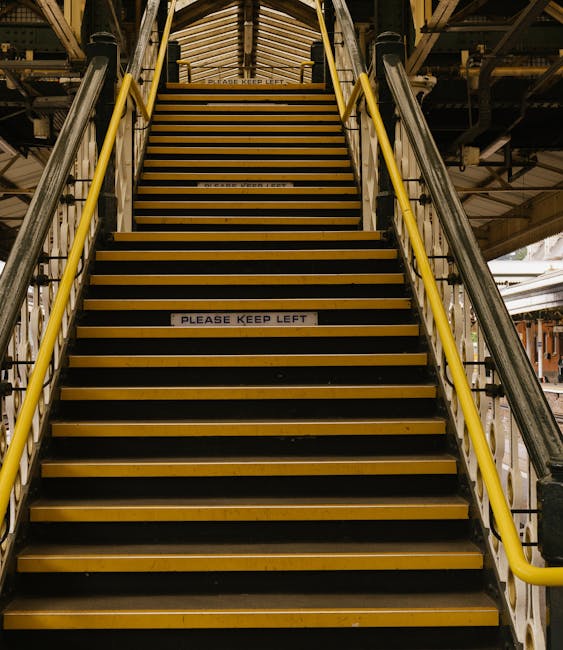
If you are planning a move in Haringey, access can be the thing that quietly makes or breaks the day. Narrow staircases, small landings, awkward turns, unreliable lifts, no parking outside, or a top-floor flat with a heavy sofa that simply will not behave - it all adds up. This guide explains Access problems for Haringey removals narrow stairs and lifts in plain English, so you can plan properly, reduce stress, and avoid those last-minute surprises that nobody needs on moving day.
Whether you are moving from a Victorian conversion, a block of flats, a student property, or a maisonette above a shop, the same principle applies: good access planning saves time, money, and backs. Let's face it, the van is only half the battle. The route from front door to vehicle matters just as much.
In the sections below, you will find practical steps, common mistakes, compliance and safety considerations, a comparison of access methods, and a realistic example of how a move can be handled when stairs or lifts complicate everything.
Why this matters for Haringey removals
Access issues are not just a minor inconvenience. In a move, they affect timing, labour, vehicle positioning, item protection, and even whether certain furniture can be moved safely at all. In Haringey, that matters because the housing mix is so varied. You can be dealing with compact flats, stair-heavy blocks, shared entrances, narrow roads, or buildings where the lift is small, slow, or out of service at exactly the wrong moment. Convenient, isn't it?
The practical impact is straightforward. If movers arrive expecting a level load path and instead find a steep staircase, the job can take longer and require extra care. If a lift is available but too small for large furniture, the team may need to remove item parts, wait for lift access, or carry items manually. If parking is distant, everything becomes a longer carry. That is where delays begin, and delays usually mean extra cost or more physical strain.
This is why access planning should happen before moving day, not during it. A short conversation about stair width, lift size, ceiling height, parking restrictions, and the number of flights can prevent a very awkward afternoon. To be fair, a lot of stress in removals comes from assumptions. People assume the sofa will fit. It often does. Until it doesn't.
For local context, access issues often affect flat removals in Haringey, but they are not limited to flats. House moves can also involve basement steps, side passages, or tight hallways. If you want to understand how different move types are handled, the broader services overview is a helpful starting point, especially when a move needs more than a standard van and two people.
How access planning works
Access planning is basically the process of mapping the move from door to van and back again, with all the awkward bits included. It is less glamorous than packing boxes, but much more important than people think. The aim is simple: work out what can move safely, how it will move, and what help is needed to do it without damage.
What movers usually check
Before a move, a good team will usually want to know:
- how many flights of stairs are involved
- whether the staircase is straight, turning, or very narrow
- the size and reliability of any lift
- the width of corridors, doorways, and landings
- whether parking is available close to the entrance
- if there are any height barriers, bollards, or controlled access points
- whether any large items need dismantling first
That information helps decide staffing, equipment, and timing. For example, a sofa that is easy on a ground floor can become a two-person wrestling match on the third floor. The same applies to wardrobes, white goods, beds, and anything awkwardly shaped. If a lift is present, it still needs checking. Lifts can be small, and some buildings have rules about reserving them or padding the interior.
In some cases, teams may recommend a smaller vehicle or a more flexible service. A man and van service in Haringey can work well for lighter loads or properties with tighter access. For larger homes, a full house removals Haringey service is usually more appropriate because it gives you more hands, more planning, and more room to adapt when access is awkward.
Why stairs and lifts change the job
Narrow stairs change how furniture can be handled. They may require tilting, rotating, and taking things apart. Lifts change how quickly things can be moved, but only if they are big enough and working properly. If not, they become a bottleneck. You can feel it in the rhythm of the day: load, wait, carry, wait again. It sounds minor. It rarely is.
A practical detail people often miss is the landing space. A staircase might be wide enough in theory, but if the landing is tiny and the turn is sharp, a wardrobe may still be impossible to move intact. That is why photos are so useful. A couple of quick images of the stairwell, lift interior, entrance, and parking area can tell an experienced mover far more than a general description.
Key benefits and practical advantages
Good access planning pays off in fairly ordinary but very real ways. It makes the move smoother, safer, and less rushed. It also reduces the chance of avoidable damage, which is always a relief when you are already tired and probably slightly over-caffeinated.
- Less risk of damage: fewer tight squeezes means fewer scuffed walls, chipped furniture edges, and strained corners.
- Better time control: the team can plan the order of loading and unloading more accurately.
- Lower physical strain: carrying down several flights is hard work, especially with bulky items.
- Fewer surprises on the day: lift sizes, stair turns, and access codes can be checked in advance.
- More accurate quotes: a clear access picture helps keep pricing realistic.
There is also a less obvious benefit: confidence. When the move has been thought through properly, you feel calmer. That matters. People often say the packing is the stressful part, but in our experience the real anxiety starts when the van arrives and everyone realises the bed frame will not pivot around the stair bend. Not ideal.
If your move is especially tight on space, you may want to look at furniture removals in Haringey as part of a broader plan. Large items sometimes need a dedicated approach, especially if the rest of the move is straightforward but one or two pieces are causing concern.
For people moving on a tighter schedule, access planning becomes even more valuable because it helps prevent wasted visits. If your situation is urgent, same day removals in Haringey can still work, but only if the access is understood quickly and clearly.
Who this is for and when it makes sense
This topic matters for more people than you might expect. It is not just for top-floor flats or difficult buildings. Any move with awkward geometry, limited parking, shared entrances, or lift restrictions can benefit from proper access planning.
Typical situations
- you live in a flat with a narrow staircase
- your building lift is small, old, or shared
- you are moving a large sofa, wardrobe, bed, or piano
- you are in a high-occupancy block with restricted parking
- the route from flat to van includes a long carry or steps
- you are in a student property with a stairwell that looks fine until moving day
- you are moving in or out of a converted house with twisting stairs
This is particularly relevant if you are moving from or into a flat. A lot of people underestimate flat removals in Haringey because the flat itself seems small, but the access can be the hard part. Equally, student removals in Haringey often involve stairs, older buildings, and a surprising amount of stuff crammed into not very much space.
It can also make sense for business moves. Office relocations often involve lifts, service entrances, and building rules. So if the move is not domestic, it still pays to think in the same way. You are basically measuring friction. Where will the move slow down? Where will it pinch? That is the real question.
Step-by-step guidance
If you are trying to get this right, the simplest way is to treat access like a checklist rather than a vague worry in the back of your mind. Here is a practical approach.
- Measure the access route. Check staircase width, landing space, doorway clearances, lift dimensions, and any awkward bends.
- Photograph the tricky points. Take clear photos of stairs, lifts, hallways, entrances, and any parking obstacles.
- List your largest items. Beds, sofas, wardrobes, fridges, washing machines, cabinets, and anything fragile should be identified early.
- Confirm parking and unloading space. A good moving day can be thrown off by nowhere to stop near the property.
- Speak to your building management if needed. Some blocks require lift booking, protective covers, or set access times.
- Decide what should be dismantled. If it is likely to snag, wobble, or catch, dismantle it beforehand where safe to do so.
- Share the details with the removals team. The more honest and specific you are, the better the plan.
- Keep a small contingency window. Delays happen. A lift may be occupied, or a neighbour may park badly. It happens.
A quick note on photos: they do not need to be perfect. You are not producing a property brochure. A couple of honest pictures in daylight are usually enough. In fact, messy detail is often more useful than a polished shot because it shows where the real obstacles are.
If you are packing as well as moving, the right materials help protect items during lift journeys and stair carries. It is worth reviewing the guidance on packing and boxes so that fragile objects are easier to handle in tight spaces.
A simple moving-day sequence
On the day itself, the smoothest moves usually follow a pattern:
- protect floors and corners where needed
- move the largest items first if the route allows it
- use the lift strategically, not casually
- keep hallways clear for safe turning
- load the van in the right order so items at the destination can be unloaded efficiently
That sequence sounds obvious. On a difficult stairwell at 8:15 in the morning, though, obvious is exactly what you want.
Expert tips for better results
Here is where a bit of local experience really helps. The buildings, roads, and property types in Haringey can vary a lot, so the smartest approach is rarely the most ambitious one.
- Book a walkthrough, even a remote one. A short call with photos can reveal issues that text messages miss.
- Reserve the lift if the building allows it. Shared-lift moves go faster when there is a set window.
- Protect the pinch points. Corners, bannisters, and lift interiors are the first places to get marked.
- Measure awkward furniture twice. One extra minute with a tape measure can save a lot of swearing later. Mild swearing, hopefully.
- Be honest about what you own. If you have a heavy bookcase or an antique mirror, say so early.
- Plan for weather. Wet steps, muddy footwear, and damp cardboard are a miserable combination.
For larger or more delicate items, specialist help may be the better route. A piano removals Haringey service is a good example. Pianos are not just heavy; they are awkward, sensitive, and unforgiving of bad angles. The same principle applies to oversized furniture, only with fewer piano jokes available.
It is also sensible to understand how providers handle safety and cover. Reading about insurance and safety can give you a better feel for how risks are managed, especially when there are stairs, lifts, or fragile items involved.
Common mistakes to avoid
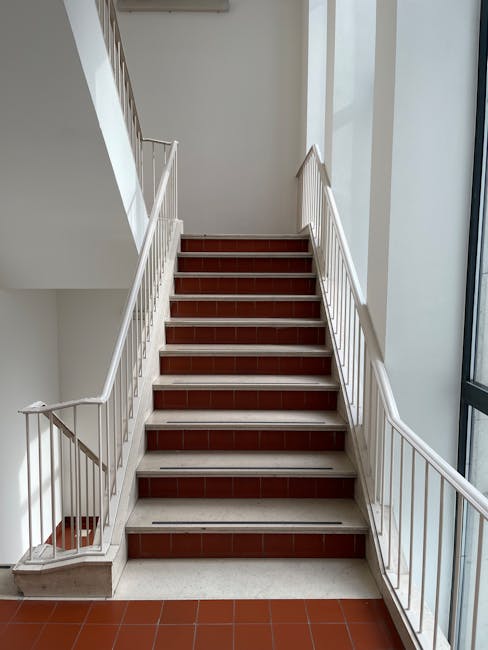
The biggest mistake is underestimating access. The second biggest is waiting until moving day to deal with it. You do not want to discover that the lift is too small after the sofa has already been half-moved into the corridor.
- Assuming a lift means easy access. It may still be too small or out of service.
- Forgetting about stair turns and landings. Width alone does not tell the full story.
- Not mentioning parking restrictions. A van parked too far away affects the entire schedule.
- Leaving dismantling too late. It is much easier to remove a bed frame before the pressure is on.
- Ignoring building rules. Some properties want lift protection or specific move times.
- Hiding awkward items in the last box room. Movers tend to find out eventually.
Another common error is focusing only on price and not on the shape of the job. If one quote seems much cheaper, ask yourself why. Does it include enough time for stairs? Does it assume lift access? Are there extra charges for long carries? A useful article on hidden removals charges in Haringey can help you spot the kind of detail that often gets missed.
And this one is small but important: do not leave corridor clutter for the morning of the move. Shoes, plant pots, umbrellas, recycling bins - all that stuff creates tiny hazards. In a narrow building, tiny hazards become big annoyances very quickly.
Tools, resources and recommendations
You do not need fancy equipment to manage access well, but a few basic tools make life easier.
- Tape measure: useful for doorways, furniture widths, lift interiors, and stair turns.
- Phone camera: clear photos are often enough for pre-move assessment.
- Labels and notes: mark items that are fragile, heavy, or awkward.
- Furniture covers and blankets: useful for protecting finishes in tight staircases.
- Simple dismantling tools: where safe, they help reduce awkward dimensions.
From a service perspective, there are a few pages that may be useful if your move has access challenges. If you need flexibility, a man with a van in Haringey can suit smaller or more adaptable jobs. For longer carries or multi-room moves, a removal van Haringey option may be more practical when paired with a clear access plan. If you are comparing broader support, the removal services in Haringey page gives a wider sense of what is available.
If storage is part of the puzzle - maybe one property is not ready, or furniture needs staging before it can be delivered - then storage in Haringey can reduce pressure. That is especially useful when access problems mean the move needs to happen in stages rather than all at once.
Law, compliance, standards, and best practice
This topic sits in the practical safety and handling zone rather than the legal drama zone, but best practice still matters. In the UK, removals teams are expected to work safely, assess obvious risks, and avoid creating preventable damage or injury. That usually means sensible manual handling, clear communication, appropriate equipment, and care around communal areas.
For customers, the key point is not to become a compliance expert. It is to make sure the service provider is operating responsibly. If a building has rules about lift use, loading bays, or protected floors, those should be respected. If items are clearly too large for safe movement through a lift or stairwell, forcing the issue is rarely wise.
It also helps to read the company's published policies. For example, the health and safety policy should give you a feel for how risk is handled, and the accessibility statement can clarify how the site or service thinks about accessible use and support. If you care about responsible operations more broadly, you may also find the recycling and sustainability approach useful, especially if you are reducing waste during a move.
Best practice, in short, is simple: be transparent about access constraints, expect a realistic plan, and avoid asking movers to improvise around hazards they were never told about. That is fair for everyone.
Options, methods, and comparison table
Different access problems call for different methods. There is no single perfect answer, but there is usually a sensible one.
| Method | Best for | Pros | Watch-outs |
|---|---|---|---|
| Full-service removals | Larger homes, complex stair access, multiple heavy items | More hands, more planning, better for awkward buildings | Usually costs more than a very small service |
| Man and van | Smaller loads, flexible moves, short-notice jobs | Flexible, practical, often good for lighter access issues | May not suit very heavy or high-volume moves |
| Specialist furniture handling | Bulky wardrobes, sofas, white goods, delicate pieces | Safer for hard-to-move items | May need more preparation time |
| Storage first, delivery later | Staged moves, delayed completion, limited access on one date | Reduces pressure on moving day | Adds an extra step to the move |
If you are comparing the options, the right question is not "What is cheapest?" but "What will actually work in my building without turning the day into a gym session?" A cheaper option can be fine, but only if the access matches the service.
For people making a wider decision about providers, removal companies in Haringey is a useful page to explore alongside pricing and quotes, especially if you want to compare how access details affect the estimate.
Case study or real-world example
Picture a move from a second-floor flat in a converted Haringey terrace. The staircase is narrow, the landing is tight, and the lift, well, there isn't one. The property is nice enough, but the sofa is a three-seater with chunky arms, the wardrobe has a fixed top panel, and the bed frame is one of those designs that looks simple until you have to carry it.
In a situation like that, the move can still go smoothly if the access is handled early. The team photographs the stairwell, confirms the largest item dimensions, and identifies what must be dismantled. The wardrobe doors are removed first. The bed frame is taken apart the night before. Floor protection goes down near the front door and at the landing. Parking is checked, so the van is placed as close as possible without causing trouble. Nothing dramatic, just good decisions made in the right order.
Without that preparation, the day could have turned into a sequence of delays and strained shoulders. With it, the move becomes just another fairly busy London day. A bit sweaty, maybe. But manageable. That is really the whole point.
If the same customer had needed to move at short notice because completion changed, a faster service such as same day removals in Haringey might also have been considered. The key would still be the same: say exactly what the access looks like.
Practical checklist
Use this checklist before moving day. It keeps things concrete, which is honestly half the battle.
- Measure doorways, stair widths, landings, and lift dimensions
- Take photos of the access route in daylight
- List your largest and heaviest items
- Check whether any furniture needs dismantling
- Confirm parking, loading, and entry restrictions
- Ask about lift booking or building rules
- Protect floors, corners, and lift interiors where needed
- Label fragile items clearly
- Prepare for a longer carry if parking is far away
- Share every awkward detail with the removals team early
Expert summary: if a property has narrow stairs or a small lift, the move is rarely impossible. It just needs better planning. The right measurement, the right team size, and the right handling approach usually solve more than people expect.
Conclusion
Access problems for Haringey removals narrow stairs and lifts are common, but they are absolutely manageable when you plan ahead. Most issues come down to three things: not measuring properly, not saying enough, and not leaving enough time. Once those are handled, the rest becomes much easier.
The best moves tend to be the boring ones, in a good way. Clear info, sensible preparation, careful lifting, and no last-minute panic at the front door. If your building has awkward access, that does not mean the move will be difficult. It just means the move needs to be done properly. And that is fair enough.
If you want help planning a move with stairs, lifts, or tight access, take a look at the relevant service options, then get in touch early so the job can be assessed properly. A quick conversation now can save a long, frustrating day later.
Get a free quote today and see how much you can save.

