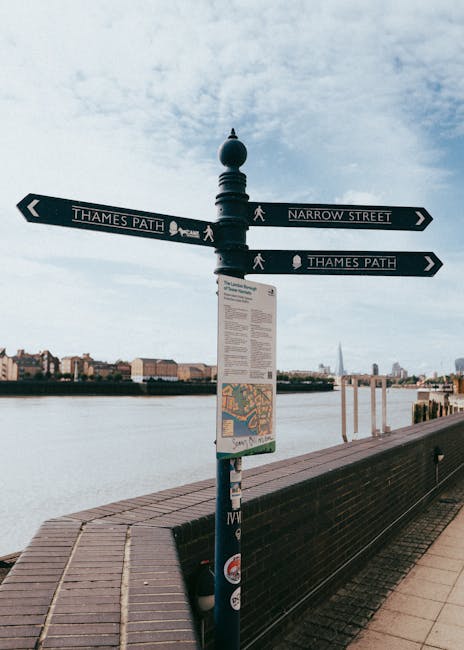
Crouch End N8 removals expert guide for narrow streets
Posted on 01/05/2026
Crouch End N8 Removals Expert Guide for Narrow Streets
If you are planning a move in Crouch End, you already know the challenge is not just lifting boxes. It is the streets. Tight bends, parked cars, busy school runs, shared driveways, and those moments when a van looks just a little too large for comfort. This Crouch End N8 removals expert guide for narrow streets is built for that exact reality. It explains how to plan a smoother move, reduce stress, and avoid the classic pitfalls that turn moving day into a slow crawl.
Truth be told, narrow streets change everything. The right removal setup can save time, protect your furniture, and keep neighbours onside. The wrong setup? Well, one badly parked van and a rushed trolley run can cause a headache before breakfast. Below, you will find a practical, local-first guide covering access planning, packing, vehicle choice, timing, and the little details that matter more than people expect.
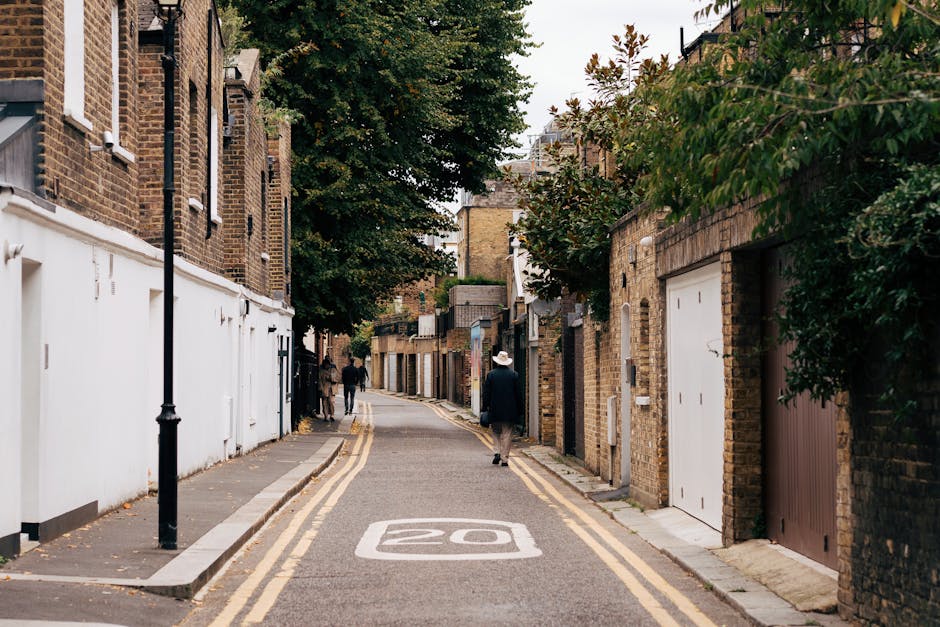
Why Crouch End N8 removals expert guide for narrow streets Matters
Crouch End has a very specific moving-day personality. Some streets are elegant and residential, but the access can be awkward: cars parked close together, corners that need careful turning, and houses or flats set back behind railings, steps, or short walkways. That means the usual "we'll just park outside" approach often does not work. Not reliably, anyway.
For removals in narrow streets, the issue is not only space. It is coordination. A small delay at the front door can ripple into the whole day. A van may need to stop further away. A two-person carry may become a chain carry. A sofa might need to be angled, rotated, and gently persuaded through a hallway that looks wider from the other side. You get the idea.
Good planning matters because it helps avoid:
- blocked access and double-parking friction
- damage to walls, door frames, or stair banisters
- extra handling time for heavy or awkward furniture
- avoidable strain on you, your neighbours, and the crew
- last-minute panic when the van cannot get where you expected
If you are comparing options, it helps to think beyond "man and van" versus full-service removals. The real question is whether the mover understands local access constraints and can adapt. A company with the right experience should be comfortable discussing access, loading distance, and parking realities up front. For a broader look at service options, you can review the services overview and see how different moving needs are handled.
Key takeaway: narrow streets do not just make removals slower; they change the whole job plan. If the access strategy is weak, everything else becomes harder.
How Crouch End N8 removals expert guide for narrow streets Works
A well-run move in a tight street usually follows a simple but disciplined pattern. Nothing glamorous. Just methodical work, clear communication, and the right equipment in the right place at the right time.
First, the mover should assess the property and access points. That includes the road width, the likelihood of on-street parking, staircases, front path width, and whether larger items will need disassembly. In many cases, a short pre-move phone call is enough to flag the obvious issues, but for more complex homes or offices, a site visit can be invaluable.
Second, the vehicle choice matters. A larger lorry is not always better. In narrow streets, a smaller or more manoeuvrable vehicle can be more practical because it can park closer, reduce carry distance, and minimise disruption. That is one reason many local customers compare a man with a van in Haringey with more traditional full-load removals. Sometimes compact is simply smarter.
Third, the loading plan should be built around the access route. Heavy pieces go out first, fragile items last, or vice versa depending on the floor plan. Packers may use blankets, straps, trolleys, and floor protection. If the move includes delicate or high-value items, specialised handling should be discussed early. For example, there is a big difference between a standard move and a job that involves piano removals in Haringey.
And then there is timing. A move that starts at 7:30 a.m. can feel very different from one starting mid-morning when the road is busier. To be fair, timing is often half the battle in Crouch End.
Key Benefits and Practical Advantages
When the access strategy is right, the whole move feels lighter. Not literally, sadly, but close enough.
- Less walking distance between property and van, which reduces fatigue and handling risk
- Lower damage risk because furniture is moved fewer times and over shorter distances
- Better time control as the crew can work in a more predictable sequence
- Less disruption to neighbours, which matters a lot in tightly packed residential streets
- Improved safety when people are not squeezing large items through awkward gaps
- More accurate quotes because the mover has a better view of the real work involved
There is also a psychological benefit. Narrow-street moves can feel like they are going to go wrong before they even start. A good plan changes that feeling. You can actually breathe a bit. Maybe even finish a tea while the last boxes come out, which on moving day is basically a luxury.
For many people, this is especially useful when moving between flats. Flat moves in areas like N8 often involve stairs, controlled entry points, and limited kerb space. If that sounds familiar, take a look at flat removals in Haringey for a better sense of how these jobs are typically structured.
Who This Is For and When It Makes Sense
This guide is for anyone moving in or out of Crouch End where access is not straightforward. That includes homeowners, flat tenants, landlords, buyers waiting on completion day, students moving with limited belongings, and small businesses relocating from compact premises.
It makes particular sense if you are dealing with any of the following:
- a narrow residential street with parked cars on both sides
- a property with a steep or awkward front path
- first-floor or upper-floor flats without easy lift access
- large furniture that may need dismantling
- tight turnaround windows on completion day
- shared entrances or limited permit-style parking
It also helps if you are moving in a hurry. Same-day moves are possible in some cases, but the pressure rises quickly when the street is tight and the timing is fixed. If you think you may need that kind of rapid response, it is worth reading about same-day removals in Haringey before deciding anything.
Students and smaller households often underestimate access problems because they assume the move is "small." But a small move can still be awkward if the road is congested or the property is on a narrow terrace. Small does not always mean simple. That part catches people out.
Step-by-Step Guidance
Here is the practical version. If you want fewer surprises, follow the process below in roughly this order.
- Assess the street and property access. Stand outside and look at the actual route. Where will the van stop? Can two cars pass? Is there enough room to open doors fully?
- Measure the largest items. Sofas, beds, wardrobes, and appliances are the usual troublemakers. If you can, measure them in advance and compare them with doorways and stair turns.
- Book the right service type. A smaller removal van, a man-and-van option, or a full team may be best depending on volume and access. If you are unsure, speak to a local mover rather than guessing. The difference can be surprisingly large.
- Prepare parking and access information. Tell the mover about narrow turns, one-way sections, height restrictions, and any likely parking pressure. The more honest you are, the better.
- Pack in a way that suits the route. Heavy items should be in manageable boxes. Fragile items should be clearly marked. Loose items should be secured. Nothing fancy, just disciplined packing. If you want help, the packing and boxes service is a sensible place to start.
- Protect the property. Floor runners, door guards, blankets, and corner protection can save time and reduce scuffs.
- Load strategically. Put the easiest-to-handle items in first or last depending on the loading plan. Keep essentials accessible.
- Allow for carry distance. In narrow streets, it often takes longer to shuttle items between property and van than people expect. Build that into the day.
- Do a final walkthrough. Check cupboards, loft spaces, bathrooms, and behind doors. The forgotten kettle is a moving-day classic. Somehow it always survives until the end.
Small observation, but important: the move often goes best when one person acts as the point of contact. Too many people giving instructions at once can slow everything down. One voice. Clear decisions. Much easier.
Expert Tips for Better Results
These are the little things that tend to make the biggest difference in narrow-street removals.
- Choose an early start where possible. Roads are usually calmer earlier in the day, and parking tension is often lower.
- Declutter before moving day. Fewer items means fewer carries and fewer awkward decisions in the doorway.
- Disassemble bulky furniture in advance. A wardrobe that cannot turn a corner is not a mystery; it is just geometry being annoying.
- Keep a tool kit nearby. Allen keys, screwdrivers, tape, markers, and a Stanley knife can save a lot of time.
- Label boxes clearly by room and priority. It sounds basic, but it is one of those basics that pay off immediately.
- Reserve your energy for the end. The final hour is where people get tired and careless. That is when knocks and scrapes happen.
- Ask about storage if timing is tight. Completion delays and access problems are not rare in London. Temporary storage can turn a stressful day into a manageable one. If that might help, see storage in Haringey.
Another tip: photograph the parking situation the day before if you think it might be contentious. Not because you need to build a case, but because it helps everyone work from the same reality. Simple, useful, done.
Expert summary: In narrow streets, the best removals are rarely the fanciest. They are the ones that plan access properly, choose the right vehicle, and keep handling to a minimum.
Common Mistakes to Avoid
Most moving problems in areas like Crouch End are preventable. The tricky part is that the mistakes often seem minor right up until they cost you time.
- Booking a vehicle that is too large. Bigger is not always better if it cannot park close to the property.
- Assuming access is "fine." Fine is not a plan. Measure it, check it, and speak plainly about it.
- Underpacking fragile items. Broken glasses are frustrating, but broken lamps, mirrors, and picture frames are worse because they often fail halfway through the move.
- Leaving furniture assembled when it should not be. If it needs to twist through a hallway, dismantle it early.
- Not warning neighbours. You do not need to send a formal letter for every move, but a quick heads-up can soften tensions in tight streets.
- Forgetting insurance and liability questions. Ask what is covered and what is not. Do not leave that vague.
- Cutting the packing timeline too fine. Rushed packing leads to weak boxes, loose lids, and chaos at the door.
A small but common one: people forget how much space the removal crew needs once boxes are outside. The front path fills up, the hallway gets blocked, and suddenly everyone is stepping over a plant pot and a rolled rug. It happens more than people admit.
Tools, Resources and Recommendations
You do not need specialist gear for every move, but the right tools make narrow-street removals smoother and safer.
| Tool or Resource | Why It Helps | Best Used For |
|---|---|---|
| Furniture blankets | Protects wood, paint, and soft furnishings from knocks | Sofas, tables, wardrobes, cabinets |
| Removal straps | Improves grip and control during carrying | Heavy or awkward items |
| Trolley or sack barrow | Reduces manual carrying over short distances | Boxes, appliances, stacked items |
| Floor protection | Helps prevent scuffs and dirt transfer | Hallways, stairs, shared entrances |
| Labels and markers | Makes unpacking faster and less chaotic | Room-by-room packing |
| Temporary storage option | Useful if completion times do not line up | Delayed moves or staged relocations |
For people who want a fuller support package, a local mover may combine moving, packing help, and transport into one plan. If that is what you need, the removal services in Haringey page is useful reading. For smaller jobs, a man and van in Haringey can be a practical fit. For heavier home moves, house removals in Haringey may be the better match.
If you are planning a move with furniture that needs extra care, it is worth looking at furniture removals in Haringey as well. A narrow street does not leave much room for trial and error.
Law, Compliance, Standards, or Best Practice
Moving home is not a heavily regulated activity in the way some trades are, but there are still important standards and best practices to follow. The key ones are common sense with consequences.
First, parking and loading arrangements should be handled lawfully and with care. If a mover needs to pause in a restricted or awkward area, they should understand the local parking rules and avoid creating avoidable issues. Because rules vary by location, it is sensible to confirm expectations before moving day rather than assume anything.
Second, safe handling matters. Furniture, boxes, and appliances can cause injury if they are carried badly or rushed through tight spaces. Good movers use proper lifting technique, clear communication, and sensible load distribution. It sounds basic, and it is. Basic done properly is what prevents most trouble.
Third, insurance and responsibility should be clear. If there is a risk of damage in a constrained access environment, ask how the mover approaches protection, what cover applies, and how claims or complaints are handled. You can also review the company's insurance and safety information and the health and safety policy for a clearer picture.
Finally, if you are comparing companies, a transparent quote process matters. Good quoting should account for access, distance, item volume, and any special handling. If the price sounds too neat and tidy for a complicated street, ask more questions. That is not fussiness. That is good judgement. For more detail, see pricing and quotes.
Options, Methods, or Comparison Table
Different moves in Crouch End call for different approaches. Here is a straightforward comparison to help you choose.
| Method | Best For | Strengths | Watch Outs |
|---|---|---|---|
| Man and van | Smaller loads, flexible dates, short-distance moves | Manoeuvrable, usually quicker in tight streets | May not suit large homes or heavy item volumes |
| Full removals team | Family homes, larger flats, more furniture | More hands, more handling support, better for complex moves | Needs stronger access planning if vehicle is larger |
| Smaller removal van | Narrow streets and mixed-load moves | Often easier to position close to the property | May require multiple trips if the volume is high |
| Staged move with storage | Completion delays or renovation overlap | Flexibility, reduced pressure on move day | Extra coordination required |
If you are moving from a smaller property, a compact service can be ideal. If you are moving out of a larger house or handling a lot of furniture, a bigger team may still be the smarter choice, even if the street is awkward. That balance matters. Narrow streets do not automatically mean small moves, after all.
For students or lighter loads, the dedicated student removals in Haringey page is worth a look. It often suits people with fewer possessions but tight timing.
Case Study or Real-World Example
Imagine a couple moving from a first-floor flat in Crouch End to another part of North London. The road outside their building is narrow, with cars parked on one side and a bend just before the front door. Nothing dramatic, but awkward enough to matter.
They started by measuring the biggest items: a bed frame, a two-seat sofa, and a sideboard. The bed frame was dismantled the evening before. Boxes were labelled by room, and fragile items were packed in smaller, stronger boxes instead of oversized ones that looked tidy but were a pain to lift.
On moving day, the removal crew used a smaller van and parked a short walk away where the road was easiest to access. That meant a few extra carries, yes, but the loading process was safer and more controlled. The sideboard needed a quick adjustment at the staircase landing, but because it had been measured properly, there was no drama. No scraping, no swearing, no sweating in the doorway. Well, not much.
The most useful decision? They left a slim buffer in the schedule. Completion in London can be messy, and they knew it. That buffer gave them breathing space when the keys were not ready quite as early as hoped. Because of that, the move stayed orderly instead of turning into a rush.
That is the pattern, really. Good planning creates margin. Margin creates calm. Calm makes the day feel manageable.
Practical Checklist
Use this before moving day if you are dealing with a narrow street in Crouch End.
- Confirm the exact moving date and any access time restrictions
- Check whether the van can stop close to the property
- Measure the largest furniture and any tight corners
- Book the right type of vehicle and team size
- Tell the mover about stairs, steps, parking pressure, and shared entrances
- Pack fragile items securely in smaller boxes
- Label boxes by room and priority
- Dismantle oversized furniture if needed
- Protect floors, walls, and door frames
- Arrange storage if completion timing is uncertain
- Keep essentials aside for the first night
- Confirm insurance and safety arrangements
- Do a final sweep of every cupboard, shelf, and loft space
If you want a practical next step, you can also learn more about the company's background on the about us page, or get in touch via the contact page to discuss your move in more detail.
Conclusion
A move in Crouch End does not need to feel like a battle with the street. Once you understand the access, choose the right vehicle, and prepare the load properly, the whole thing becomes much more manageable. That is the real value of a local, well-planned removals approach: fewer surprises, less stress, and better control on the day.
Whether you are moving from a flat, a family home, or a smaller property with tricky access, the principles stay the same. Measure carefully, communicate clearly, and give yourself enough time. Narrow streets reward planning. They really do.
Get a free quote today and see how much you can save.
If you are weighing up your next step, a careful conversation now can save a lot of hassle later. And honestly, that is usually money well spent.